All Categories
Featured
Table of Contents
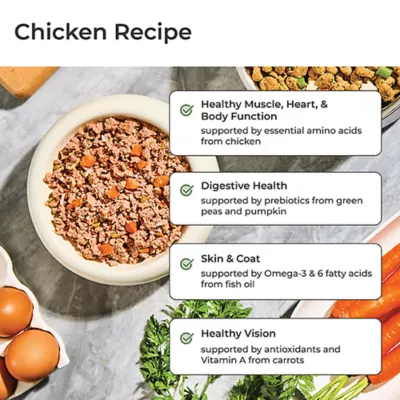
Fats are one of the most concentrated form of food power, giving your animal with greater than twice the energy of proteins or carbohydrates. Fats are necessary in the structure of cells, needed for the manufacturing of some hormonal agents, and are needed for absorption and utilization of certain vitamins. Fats additionally give insulation and security for inner organs.
Carbs provide power, play a vital role in the health of the intestine, and are very important for reproduction. While there is no minimal carbohydrate need, there is a minimum sugar demand essential to provide power to important organs such as the mind. Fibers are sort of carbohydrates that alter the bacterial population in the tiny intestine, which can aid take care of persistent looseness of the bowels in pet dogs.
The smart Trick of Nutrition And Pet Foods - Pet Medical Center That Nobody is Discussing
Many vitamins can not be manufactured in the body, and as a result are vital to get in the diet plan. Please note that when feeding your pet a full and well balanced diet regimen, it is unnecessary to provide a vitamin supplement unless a particular vitamin shortage is detected by a vet. Because of over supplementation, poisoning because of excess vitamins (hypervitaminosis) is a lot more usual nowadays than vitamin shortage (hypovitaminosis).

Excess vitamin D may result in extremely thick bones, soft tissue calcification and kidney failing. Minerals are nutrients that can not be synthesized by pets and have to be given in the diet regimen. As a whole, minerals are crucial as structural components of bones and teeth, for maintaining liquid balance and for their involvement in many metabolic responses.
Choosing Healthy, Quality Pet Food - Banfield Pet Hospital Fundamentals Explained
This procedure of slowly lowering a puppy's dependency on his mommy's milk, referred to as weaning, should normally start in between 3 and four weeks of age and is ideally totally by the time the pup is 7 to 8 weeks. Puppies receive total nutrition from their mommy's milk for the very first 4 weeks of life, so there is no demand to feed them anything during that time.
If you find yourself in this situation, contact your vet for product and feeding recommendations. After that time, it's best to let weaning be a progressive procedure that takes place over numerous weeks. This enables the mother pet dog to slowly run out her milk supply and puppies require time to learn vital actions from their mom and littermates, including just how to interpret indicators of dominance, prevent their own biting routines and submit to even more leading pet dogs.

While divided, introduce the puppies to consuming from a frying pan. The amount of food, the regularity and length of splitting up can progressively be enhanced.
A spoiled lap pet might require simply 10% of that, while an active pet dog that works out on a regular basis outdoors may require maintenance plus 20 to 40%. You may need to adjust sections as you discover your pet's optimal "maintenance" amount. Pet proprietors must always consult with their pet's vet to determine the most effective feeding timetable and kinds of foods for their pets.
Top Guidelines Of 8 Nutrition Tips To Show Your Pets The Love - Vetster
Be sure to check with your vet on your animal's post-opt nutritional demands. Treats must be offered in moderation and stand for five percent or much less of the pet's everyday food intake.

Table of Contents
Latest Posts
The Top Marketing Strategies For Veterinary Practices In 2025 Things To Know Before You Buy
The Ultimate Guide To 11 Ways For Small Businesses To Use Ai In 2026 - Upwork
The smart Trick of Improve Sales Techniques - Startupnation That Nobody is Talking About
More
Latest Posts
The Top Marketing Strategies For Veterinary Practices In 2025 Things To Know Before You Buy
The Ultimate Guide To 11 Ways For Small Businesses To Use Ai In 2026 - Upwork
The smart Trick of Improve Sales Techniques - Startupnation That Nobody is Talking About